
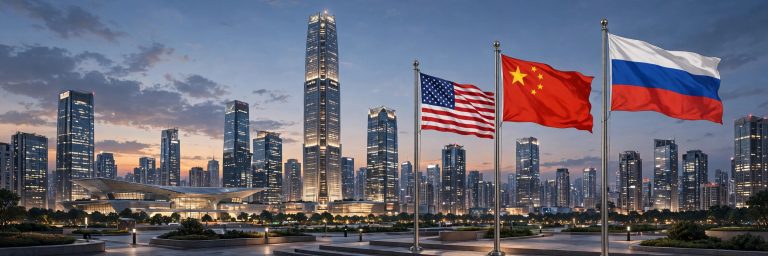

The presidents of the United States, China and Russia held their first-ever three-way meeting on Thursday, November 19, 2026, in Shenzhen, China, and issued a joint declaration on peace. The meeting, held at Kylin Villa on the sidelines of the Asia-Pacific Economic Cooperation (APEC) summit, lasted about one hour and 20 minutes, according to reports. Afterwards, the three leaders published a four-point “Declaration toward Peace”, committing themselves to preserving strategic stability and international security.
A First for the Three Powers
Chinese President Xi Jinping hosted and chaired the meeting, and the Russian and US leaders thanked China for hosting it. It was the first-ever three-way face-to-face meeting between the heads of state of the three countries, which are also the three largest nuclear powers and all permanent members of the United Nations Security Council.
The summit took place on the sidelines of the APEC leaders’ gathering in Shenzhen. According to reports, the leaders held an in-depth exchange of views on the current international situation before issuing the joint declaration. The meeting was described as historic by the hosts, and the declaration was published by China’s state news agency Xinhua, with the text also published by the White House.
The Four Commitments
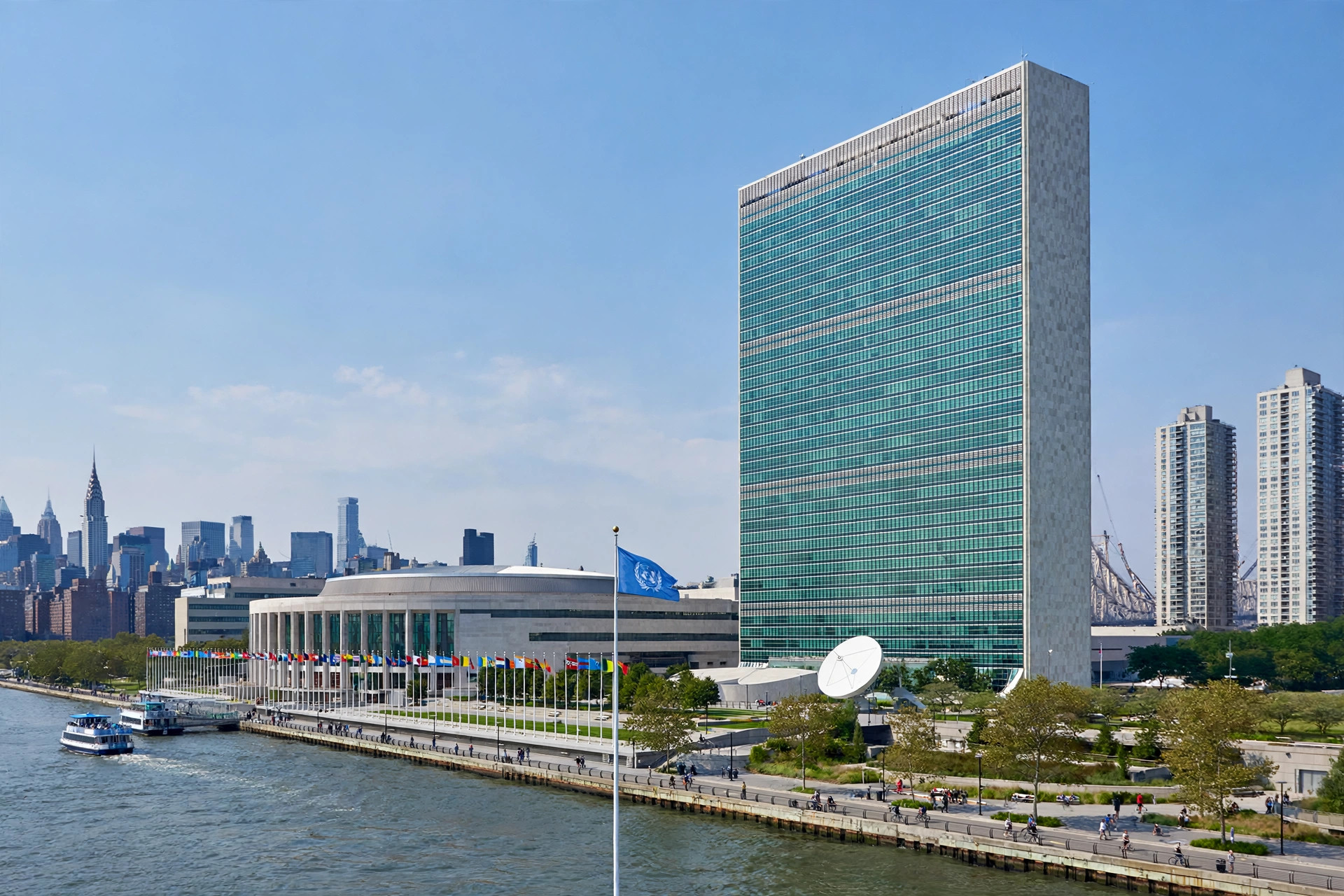
The declaration sets out four points on which the three leaders agreed. First, as permanent members of the UN Security Council, China, Russia and the United States committed to reforming the United Nations so that it can respond more effectively to global challenges and fulfil its core mission of international peace and security.
Second, the three countries agreed to increase the production and supply of refined petroleum products for the benefit of all nations, and reaffirmed the importance of stable energy flows. The energy commitment comes at a time when the war between the United States and Iran has put pressure on the Strait of Hormuz, a vital route for global oil supplies.
Third, the leaders recognised that the principle of state consent and respect for the immunities of state officials is of paramount importance, and agreed that the International Criminal Court and other similar bodies must not abuse their jurisdiction.
Fourth, on nuclear weapons, the three leaders reaffirmed that “a nuclear war cannot be won and must never be fought”. The three countries will conduct a dialogue on reducing nuclear risks and preventing the proliferation of nuclear weapons.
What the Declaration Leaves Out
For all its language on peace, the declaration does not mention the two wars that dominate the international agenda. It makes no mention of the war in Ukraine, although US President Donald Trump said he raised it with both leaders earlier in the day. Nor does it mention the war in Iran, the other conflict Trump said he discussed.
The text also sets no dates, targets or follow-up format for any of the four commitments. There is no timetable for the UN reform effort, no production figure for oil, and no date set for the nuclear dialogue. As with most joint declarations, the document signals intent; whether it leads to concrete steps will depend on follow-up discussions that have not yet been announced.
For now, the significance of the Shenzhen meeting lies in the meeting itself: the leaders of the three most powerful countries sat down together for the first time, and put their names to a shared statement on peace, stability and the risks of nuclear war.
Sources: White House (declaration text); Xinhua; Associated Press; Reuters; The Indian Express; The Wire.

0 Comments