

Introduction
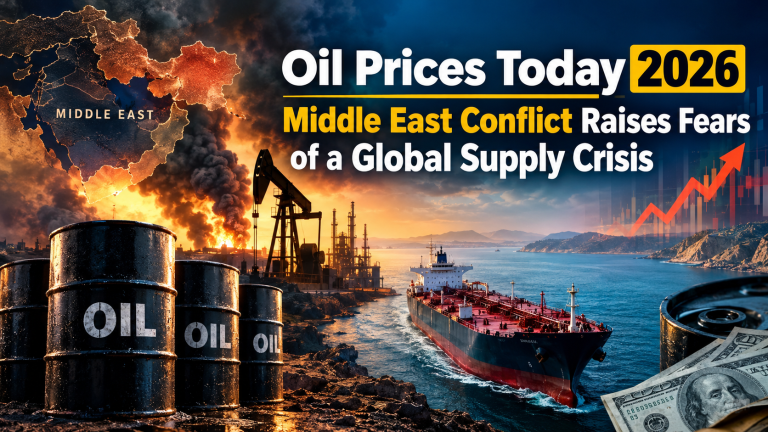
Global oil markets are facing another period of uncertainty as the conflict in the Middle East continues to influence energy prices and international trade. Renewed security concerns around Saudi Arabia and vital shipping routes have kept traders alert to the possibility of further supply disruptions. At the same time, diplomatic efforts involving Saudi Arabia, Türkiye, Pakistan, and Iran have offered some hope that tensions could ease.
On October 27, 2026, oil prices fluctuated as investors weighed the possibility of progress in negotiations against the risk of further attacks. According to Reuters, Brent crude was trading at approximately $116.26 per barrel during Tuesday’s morning trading, while US West Texas Intermediate (WTI) stood near $102.16. These figures were reported at 09:18 GMT and represent a snapshot of a rapidly changing market, rather than guaranteed closing prices.
Why Are Oil Prices Moving Higher in 2026?
The relationship between Middle East tensions and oil prices is closely connected to supply, transportation, and market expectations. The region contains major oil-producing countries, and a significant volume of global energy trade passes through its surrounding waterways.
When conflict threatens production facilities, pipelines, or commercial shipping, buyers may become concerned that fewer barrels will reach international markets. Traders can respond to that risk before a major shortage actually occurs, pushing prices higher as they account for uncertainty.
Recent market movements illustrate this pattern. Reuters reported on October 22 that Brent crude had reached a five-month closing high following renewed Houthi attacks in Saudi Arabia and concerns about regional energy infrastructure. Prices have since fluctuated as markets react to both security developments and diplomatic signals.
The latest movement is not simply a story of rising prices. It reflects a market trying to determine whether supply disruptions will worsen or whether negotiations will create conditions for a more stable flow of energy.
Middle East Conflict Puts Global Oil Supply at Risk
One of the biggest concerns for energy markets is the potential impact of prolonged conflict on oil production and exports. Even when oil fields continue operating, damage to pipelines, threats to ports, and interruptions to tanker movements can make deliveries more difficult and expensive.
Saudi Arabia is particularly important because it is one of the world’s leading oil producers and exporters. Threats to its energy infrastructure can influence market expectations far beyond the region.
The Strait of Hormuz is another critical part of the picture. This narrow waterway connects the Persian Gulf with the Gulf of Oman and the wider international shipping network. Before the current conflict, around one-fifth of the world’s energy supplies passed through the strait, making it one of the most strategically important maritime routes.
Any sustained interruption could complicate deliveries to major oil-importing economies in Asia and elsewhere. Even without a complete closure, increased security risks can force shipping companies to reconsider routes, insurance arrangements, and operating costs.
The consequences would depend on the duration and severity of any disruption, as well as the availability of alternative export routes and supplies.
Strait of Hormuz: Why the Shipping Route Matters
The Strait of Hormuz remains central to the outlook for global oil prices because so much energy trade depends on safe passage through the area.
If commercial vessels face heightened security risks, shipping companies may demand higher insurance premiums or take additional precautions. Longer journeys and delays can increase transportation costs and complicate delivery schedules for refineries and energy buyers.
These expenses can add pressure to an already uncertain market. However, the scale of the impact depends on actual shipping volumes, the number of affected vessels, and how quickly exporters can adjust their operations.
Alternative pipelines can provide some flexibility, but they cannot necessarily replace every shipment that would otherwise pass through the strait. This means that the security of maritime trade remains an important factor in determining whether oil prices rise, stabilize, or retreat.
How Higher Oil Prices Could Affect the Global Economy
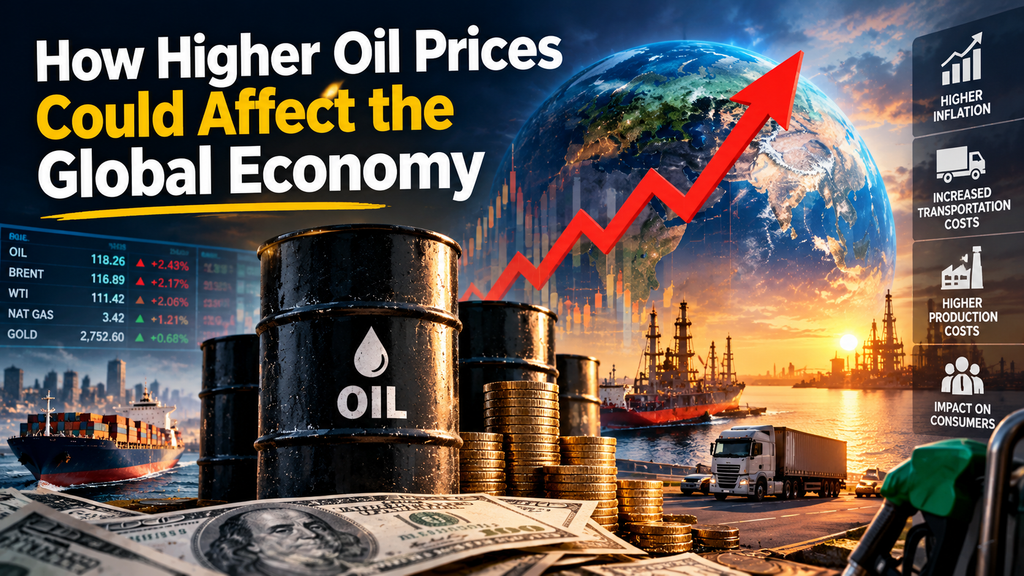
Rising crude oil prices can affect much more than petrol and diesel costs. Oil is an important input for transportation, manufacturing, agriculture, and numerous industrial processes.
When energy becomes more expensive, airlines may face higher operating expenses, trucking companies can encounter rising delivery costs, and manufacturers may have to pay more to move raw materials and finished goods.
Businesses may respond by absorbing some of the additional expense, raising prices, or reducing other costs. If higher energy prices persist, consumers could eventually face more expensive goods and services.
The broader concern is inflation. More expensive fuel and transportation can put upward pressure on consumer prices, potentially complicating decisions by central banks that are trying to maintain price stability while supporting economic activity.
The impact will not be identical everywhere. Countries that import large quantities of oil may be more exposed to higher international prices, while domestic production, government policies, currency movements, and fuel taxes can influence the final cost paid by consumers.
What Higher Oil Prices Could Mean for Pakistan
Pakistan is among the countries where international energy prices deserve close attention because imported energy plays an important role in meeting domestic demand.
If global crude oil prices remain elevated, the country’s import bill could come under pressure, depending on import volumes, exchange rates, and the cost of refined petroleum products. Higher international prices can also influence domestic fuel pricing and transportation expenses.
An increase in petrol and diesel costs may raise the operating expenses of public transport, freight companies, and businesses that depend on road deliveries. Over time, some of these expenses can feed into the prices of food and other essential goods.
However, changes in international crude prices do not translate automatically into an identical change at local fuel stations. Domestic prices also depend on exchange rates, taxes, government decisions, refining costs, and the pricing mechanism in effect.
For households and businesses, the key issue is whether elevated oil prices persist long enough to create sustained pressure on energy and transportation costs.
Diplomacy Offers a Possible Path to Market Stability
Although security concerns have supported oil prices, diplomatic activity has introduced an element of uncertainty in the opposite direction.
Reuters reported on October 27 that Saudi Arabia, Türkiye, and Pakistan held discussions with Iranian officials in Tehran aimed at easing regional tensions. The countries agreed to continue talks on peace and security, raising hopes that diplomatic engagement could reduce the risk of further escalation.
For energy markets, meaningful progress could help lower the risk premium built into oil prices. Safer shipping routes, more predictable exports, and reduced threats to infrastructure would make it easier for buyers and sellers to plan ahead.
Nevertheless, diplomatic meetings alone do not guarantee an immediate improvement in energy supplies. Traders will continue to monitor whether negotiations lead to concrete developments, whether attacks decrease, and whether shipping and export flows recover.
The market’s direction will therefore depend on both political developments and measurable changes in oil production and transportation.
What Could Happen to Oil Prices Next?
The outlook for oil prices in the coming days will depend on several important factors.
A diplomatic breakthrough: If negotiations reduce the risk of further conflict and improve shipping security, oil prices could face downward pressure as concerns about supply ease.
Further attacks on energy infrastructure: Additional damage to pipelines, export facilities, or commercial shipping could intensify fears of shortages and push prices higher.
Changes in global demand: Economic growth, industrial activity, and seasonal fuel consumption will also influence how much oil buyers need. Strong demand can amplify the effect of supply disruptions, while weaker demand may limit price increases.
Alternative supplies and export routes: Additional production, strategic stock releases, and the use of alternative transportation routes could help cushion the market against interruptions, although their effectiveness would depend on available capacity and timing.
The US Energy Information Administration’s October 2026 outlook also highlights the relationship between Middle East supply constraints and elevated oil prices. Its projections depend on assumptions about how long disruptions continue, so actual prices could differ as circumstances change.
For readers following oil prices today, it is important to distinguish between temporary market movements and a sustained change in global supply conditions.
Conclusion
Oil prices in 2026 remain closely tied to developments in the Middle East, where security threats and diplomatic efforts are shaping expectations for global energy supplies. The latest market activity demonstrates how quickly prices can respond when investors weigh the possibility of peace against the risk of further disruption.
The Strait of Hormuz, Saudi Arabia’s energy infrastructure, and the progress of regional negotiations will remain important factors to watch. A reduction in tensions could help stabilize markets, while a prolonged escalation could increase transportation costs and add pressure to economies that rely heavily on imported energy.
For now, the direction of oil prices will depend on what happens next: whether diplomacy creates a more stable environment for energy trade or whether continued insecurity keeps global supply concerns alive.
Disclaimer: Oil prices fluctuate throughout the trading day. The quoted figures refer to Reuters reporting published on October 27, 2026, at 09:18 GMT. Check current market data before publication or republication.
FAQ
Why are oil prices changing today in 2026?
Oil prices are responding to Middle East security developments, concerns about energy shipments, diplomatic negotiations, and expectations about global supply and demand.
How does the Middle East conflict affect global oil supply?
Conflict can threaten production facilities, pipelines, ports, and shipping routes. Even when production continues, transportation disruptions and higher insurance costs can make oil deliveries more expensive.
Why is the Strait of Hormuz important for oil prices?
The Strait of Hormuz is a major international energy shipping route. Disruptions can delay exports and raise concerns about the availability of oil in global markets.
Could higher oil prices affect Pakistan?
Yes. Elevated international oil prices can increase Pakistan’s energy import costs and contribute to higher domestic fuel and transportation expenses. The actual impact depends on exchange rates, taxes, and government pricing decisions.
Will oil prices fall if Middle East tensions ease?
They could decline if improved security reduces the risk of supply disruptions. However, the outcome also depends on actual export volumes, global demand, inventories, and other market conditions.


0 Comments