
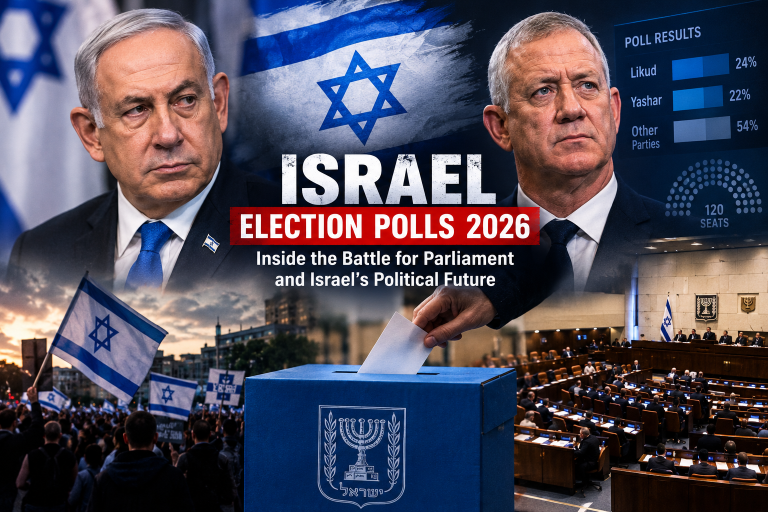

Israel Election Polls 2026 are putting the country’s political future under the spotlight as voters take part in the October 27 parliamentary election. Prime Minister Benjamin Netanyahu faces competition from opposition figures, including former military chief Gadi Eisenkot. The election comes amid intense debate over national security, government accountability, economic pressures, and Israel’s international relationships. The final outcome will depend on votes, parliamentary seats, and negotiations between political parties.
Israel Election Polls 2026: What the Surveys Reveal
Pre-election polls published before October 27 showed a closely contested race between political blocs supporting Netanyahu and those seeking a change in leadership. The surveys did not establish a guaranteed winner, and different polling organisations reported different projections. According to election polling averages published before voting day, neither side had a consistently clear route to the 61 seats needed for a parliamentary majority. These figures reflect voter intentions at the time of the surveys, not official election results.
Israeli Parliamentary Election 2026: How It Works
Israel’s parliamentary election determines the composition of the 120-member Knesset, the country’s national legislature. Voters select political party lists, and seats are distributed according to each party’s share of the vote, subject to the electoral threshold. A party does not automatically gain the right to govern simply because it wins the most seats. To form a government, political leaders must secure sufficient support from other parties to reach a majority of at least 61 members.
Netanyahu Faces Questions About Leadership
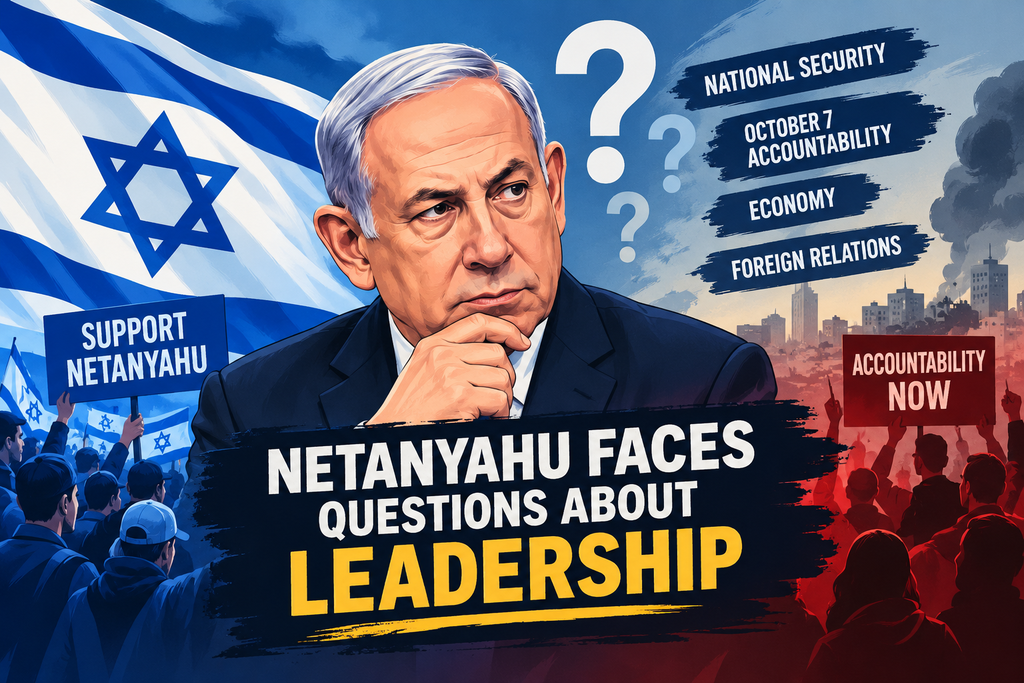
Benjamin Netanyahu remains one of the central figures in the election campaign. Supporters point to his experience and approach to national security, while critics demand greater accountability for the security failures surrounding the October 7, 2023, attacks. His leadership has also been debated in connection with the wars that followed and Israel’s diplomatic relationships. The election gives voters an opportunity to express their views on his record, but the eventual parliamentary balance will determine what political options emerge after the vote.
Gadi Eisenkot and the Opposition’s Challenge
Former military chief Gadi Eisenkot has become a prominent opposition figure through his Yashar party. His campaign has focused on leadership, security, and accountability, offering voters an alternative to Netanyahu’s continued government. However, the opposition includes parties with differing priorities, meaning that electoral success alone may not guarantee a united governing coalition. Their ability to reach agreements after the election could prove just as important as their individual results at the ballot box.
Key Issues Shaping Israel Elections Today
National security remains a major concern, particularly following the October 7 attacks and subsequent regional conflicts. Voters are also debating military-service obligations, the cost of living, public services, and the role of religious parties in government. Another important question is whether an independent inquiry should examine the security failures that preceded the attacks. These issues affect different communities in different ways, making the election about more than a contest between political personalities.
Why Smaller Parties Matter
Smaller political parties could play an important role if neither major camp secures a parliamentary majority. Their seats may become essential during negotiations over the formation of a government. However, potential partnerships depend on political commitments, policy differences, and whether parties are willing to cooperate. This is why election coverage should look beyond which party receives the most votes and examine the possible distribution of seats across the entire Knesset.
What Happens After the Vote?
After polling stations close, officials count ballots and determine how parliamentary seats will be allocated. Early reports or exit polls may offer an initial indication, but they should not be treated as final results. Political leaders then work to secure enough support to form a government, a process that can involve lengthy negotiations. Until official figures and coalition arrangements are confirmed, the country’s next political direction remains uncertain.
Conclusion
Israel Election Polls 2026 provide a snapshot of a competitive election shaped by security concerns, public accountability, and disagreements over the country’s direction. Polls can help explain voter sentiment, but they cannot establish who will ultimately govern. The final seat count and the relationships between political parties will be crucial in determining whether a stable coalition can be formed. For Israel and international observers, the election’s significance will become clearer as verified results and post-election negotiations unfold.
FAQ
When is the Israeli parliamentary election in 2026?
The election is scheduled for October 27, 2026.
What do Israel Election Polls 2026 indicate?
Pre-election surveys showed a competitive contest, with no guaranteed parliamentary majority for either major political bloc.
Who are the key figures in the election?
Prime Minister Benjamin Netanyahu and opposition figure Gadi Eisenkot are among the central political figures.
How many seats are needed for a majority?
A government needs support from at least 61 members of the 120-seat Knesset.
Are polling projections the same as official results?
No. Polls estimate voter intentions before an election; official results are based on the counted votes.


0 Comments