
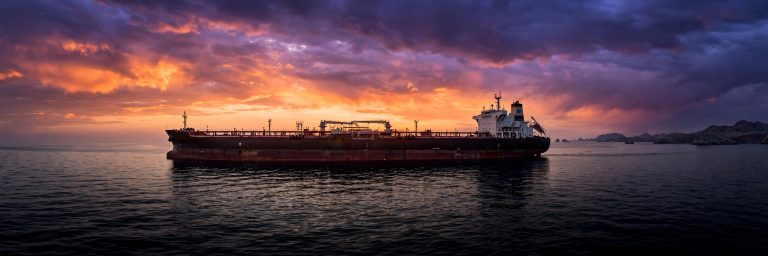

President Donald Trump said on Thursday, November 19, that he will not decide on any new round of strikes against Iran until the new year, even as fighting at sea in the Strait of Hormuz continues into the war’s ninth month. Speaking to Axios aboard Air Force One as he returned from China, Trump said: “I am not rushing into any decision [on Iran]. We will see what happens after the beginning of the year.”
Trump signalled that no major new round of strikes will take place in 2026. His remarks came after weeks in which he had hinted at renewing major attacks on Iran following the November 3 midterm elections in the United States, but no large-scale operation followed. The war, which began when the United States and Israel launched attacks on Iran in February 2026, has now entered its ninth month, with both sides continuing strikes on vessels in or near the strait and restricting energy exports.
No Rush to Decide
Trump’s latest comments were his clearest signal yet that a decision on further military action is on hold. Earlier in November, he had warned that the United States may have to do “something large” against Iran, and that any action could involve a “heavy hit”. But on Sunday, November 8, he told CNN he was “highly unlikely” to order fresh attacks as long as talks to end the conflict progress, adding that it depends on whether Iran signs “a very strong agreement”.
Trump also said that if strikes resume, the United States has identified potential targets, including 38 bridges. Secretary of State Marco Rubio has argued that Washington is already achieving its objectives through economic pressure, without the need for major combat operations.
The Tanker War in Hormuz
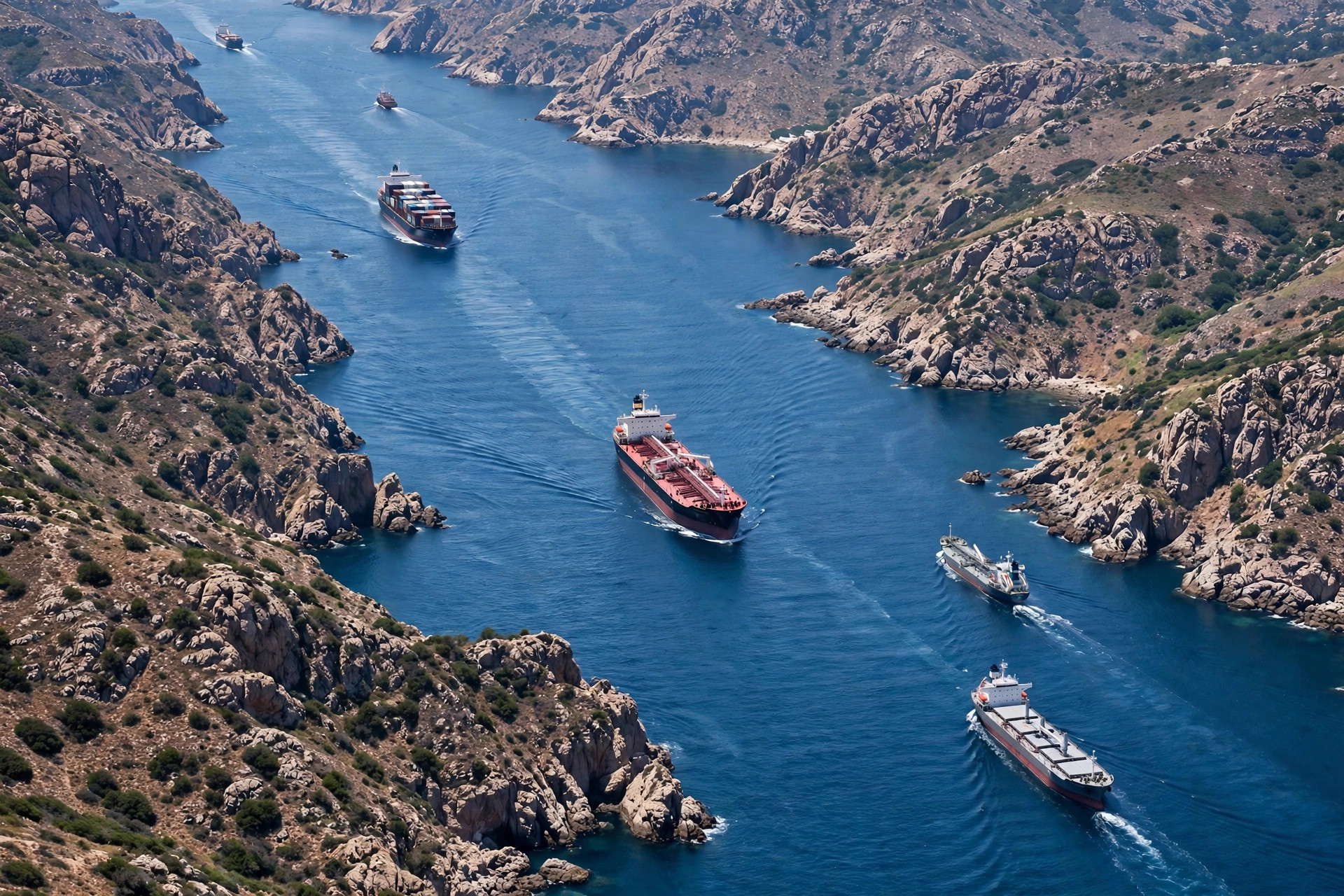
While diplomacy continues, the fighting at sea has not stopped. Since the war began, Tehran has targeted vessels in the Strait of Hormuz, the narrow waterway through which much of the world’s oil passes, and United States forces began blockading movements to and from Iranian ports in April 2026.
Early in November, Trump confirmed that the United States had launched strikes on Iran, after reports of a raid on Qeshm Island, the largest island in the Strait of Hormuz. On November 4, Iran said four oil tankers caught fire after hitting mines while trying to pass through the strait, saying the tankers were using a prohibited route. Reuters said it could not confirm some of the reported strikes.
Iranian media later reported further explosions in southern Iran, which state television linked to Iranian military activity in the waterway, where Iran said two vessels had hit mines and a third had caught fire. The United States said its air force had disabled a vessel in the Gulf of Oman beyond the strait.
Pressure From All Sides
Trump is under pressure from both directions. Israeli Prime Minister Benjamin Netanyahu is pressing for renewed military action, reportedly urging Washington to join Israel in a four-to-seven-day bombing campaign. Gulf Arab governments, by contrast, have warned that renewed strikes could provoke devastating retaliation against regional energy infrastructure.
Targets under consideration include Iran’s Pickaxe Mountain nuclear complex, buried deep beneath a mountain, as well as military installations, bridges, power plants and Iranian leaders. Trump has not authorised another major operation, and his stated preference to wait until the new year does not rule out a change of course if circumstances deteriorate.
Oil Markets and Diplomacy
Oil markets have reacted to the shifting signals. Brent crude fell to about $93.63 a barrel on November 5, its lowest level in about two months, as traders bet on diplomacy over a return to war.
Qatar is mediating and trying to win United States and Iranian backing for a draft agreement meant to head off renewed fighting and possibly restart direct talks. Iran has demanded an end to the United States naval blockade, sanctions relief and the release of frozen funds before it will reopen the Strait of Hormuz.
For now, the war grinds on at sea while the decision in Washington waits for the new year.
Sources: Axios, Reuters, CNN, BBC, Channel News Asia, Gulf News, Bloomberg.

0 Comments