


Scientists in Japan have used gene-editing technology to remove the extra chromosome responsible for Down syndrome, at least in lab-grown human cells.
The project, led by Dr. Ryotaro Hashizume of Mie University, used CRISPR-Cas9 to target the trisomy 21 chromosome, the root cause of Down syndrome, which affects 1 in every 700 births.
Removing the extra chromosome altered cell behavior dramatically

Image credits: Ermolaev Alexandr/Adobe Stock (Not the actual photo)
Down syndrome occurs when a person is born with three copies of chromosome 21 instead of two.
That surplus genetic material causes developmental differences and raises the risk for a number of health issues, including heart defects, immune dysfunction, thyroid disease, and Alzheimer’s-related dementia.
To address this, Dr. Hashizume and his team designed special CRISPR guides that zeroed in on the extra chromosome, and only that one.
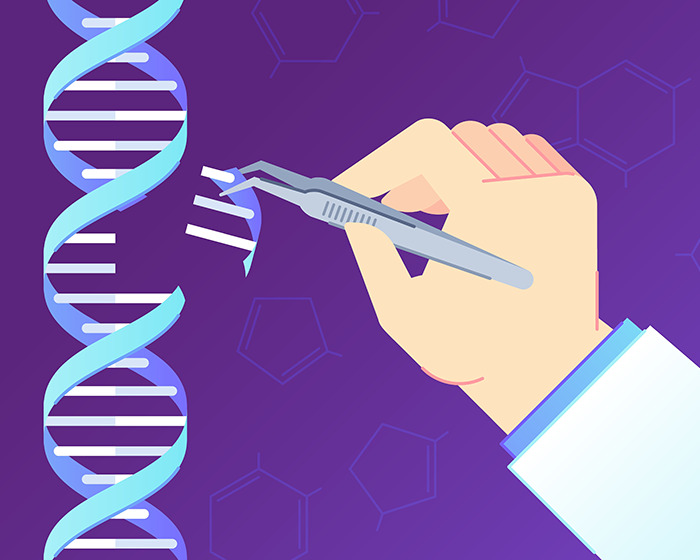
Image credits: Nexa/Adobe Stock
In both stem cells and mature skin cells taken from people with Down syndrome, the gene-editing tool successfully removed the extra chromosome without affecting the healthy ones.
Once the surplus was gone, the cells began to behave differently, according to a Sci Tech Daily report.
Genes tied to brain development also became more active. Genes that were previously overactive, such as those linked to inflammation or metabolism, quieted down as well.
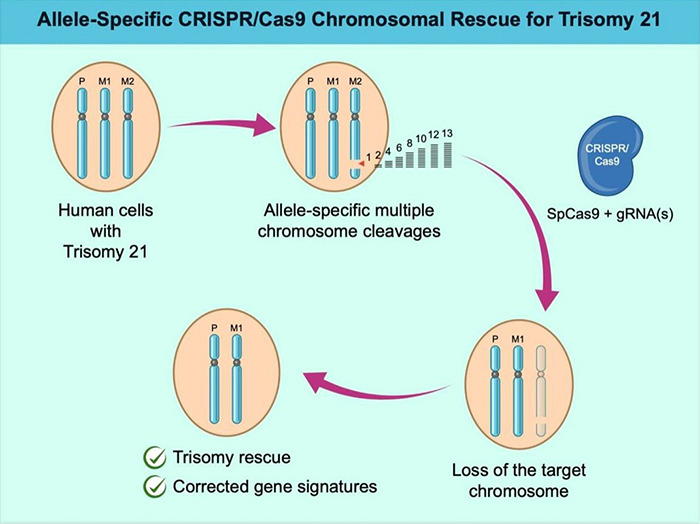
Image credits: thebiomics
The edited cells even grew faster and divided more normally, suggesting that the excess chromosome had placed some biological strain on them.
This is the first time CRISPR has been used to erase an entire chromosome
Dr. Hashizume and his team’s study marked the first time scientists have successfully used CRISPR to delete a full chromosome from human cells.
The team accomplished this through a process called allele-specific editing, which essentially involves training CRISPR to find only the rogue copy of chromosome 21.
To improve their odds, researchers temporarily suppressed the cells’ natural DNA repair mechanisms. The strategy paid off, and it made the deletions more consistent.
The team’s method worked in differentiated, non-dividing cells, too, not just in embryonic stem cells.
This hinted at the method’s possible therapeutic potential in older patients.
It’s not ready for real-world treatment, but the implications are huge
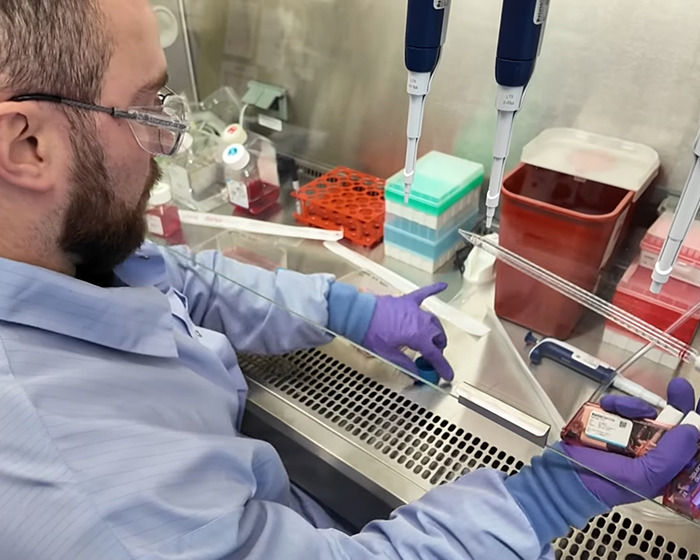
Image credits: CNBC International
Researchers are quick to stress that this discovery is still years away from being used in humans, since the method could affect good chromosomes, too.
Still, the study proves something once thought impossible: that a whole chromosome can be removed in a precise manner.
Dr. Hashizume and his team stated that the next steps will involve refining their method to prevent unintended edits and testing its effects over time.
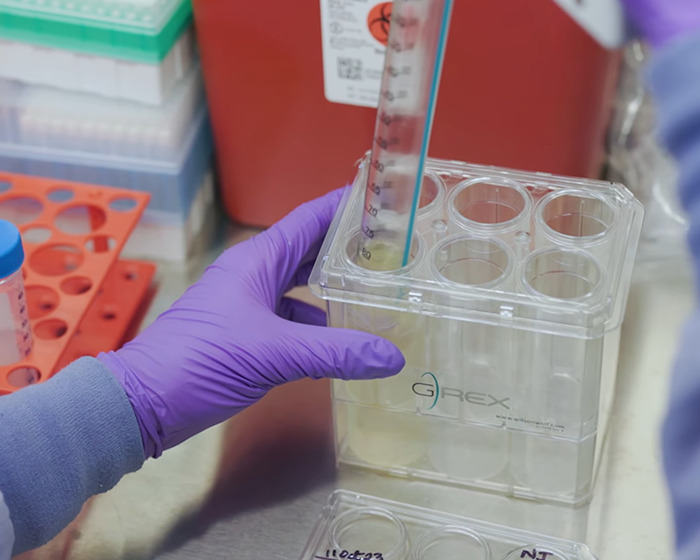
Image credits: CNBC International
If successful, the approach could pave the way for regenerative therapies that begin at the genetic root of Down syndrome.
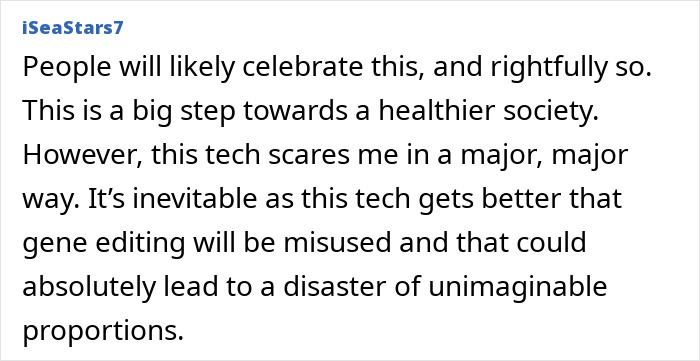
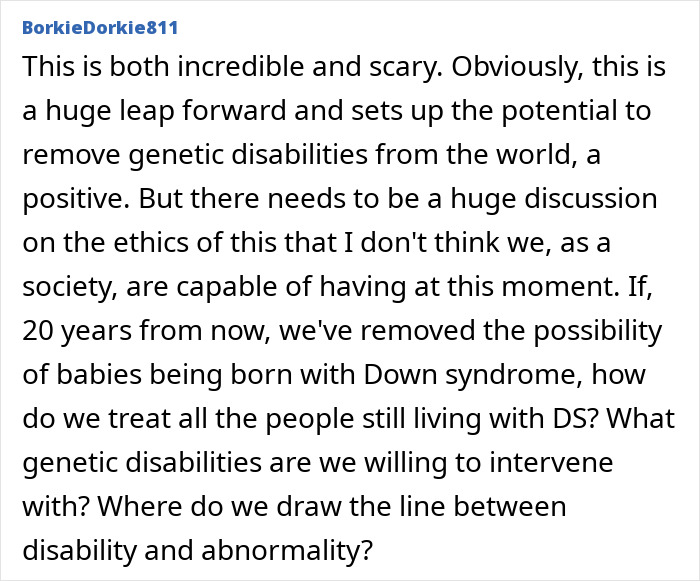
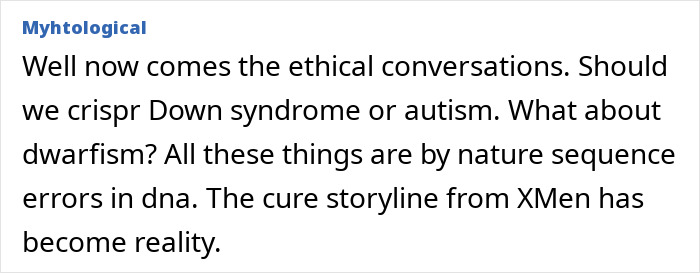
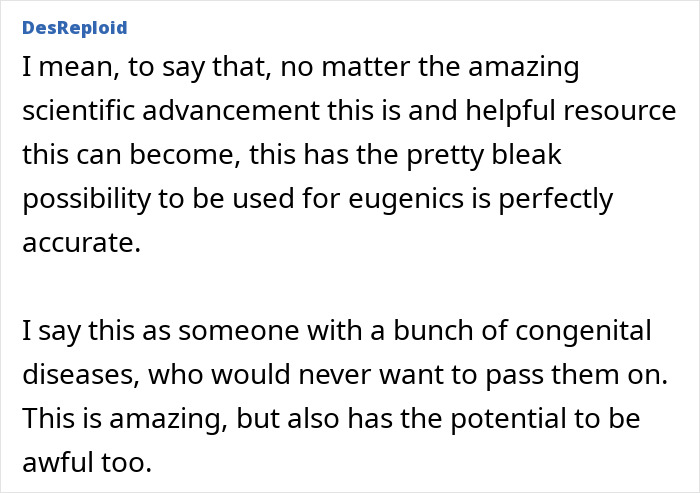
Some netizens were wary of the scientists’ method.
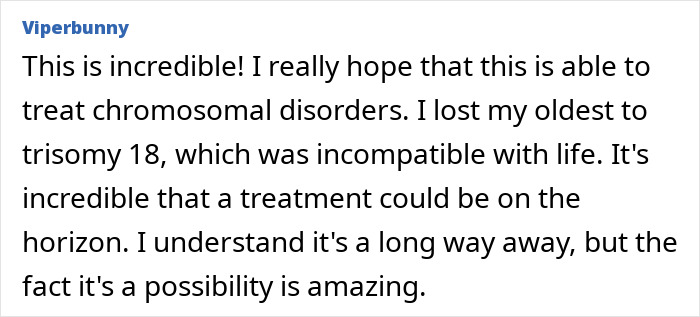
“I hope (the) solution is not coming with another problem,” one commenter wrote.
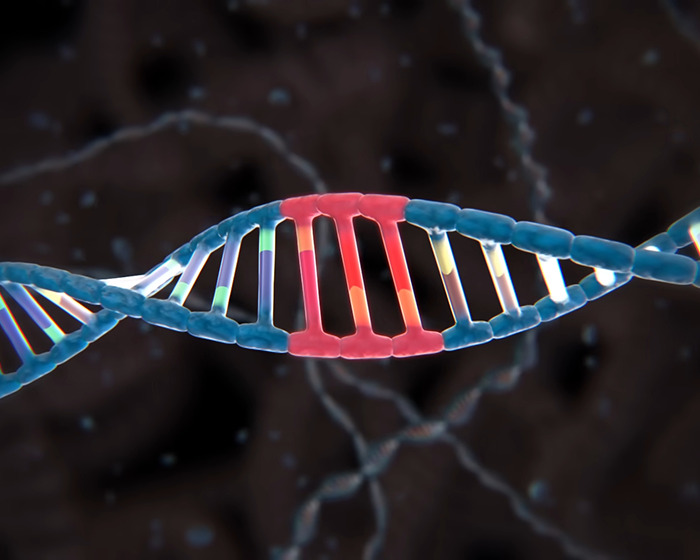
Image credits: McGovern Institute
“The road to h*ll is paved with good intentions,” another wrote.
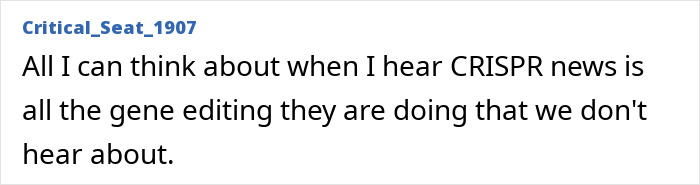
“Playing with nature is scary,” another commenter stated.
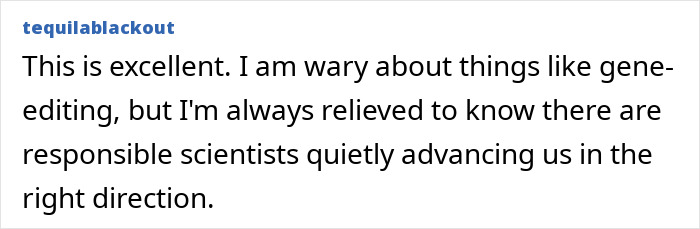
Others, however, were excited about the potential of the scientists’ study.

“I love people with Down Syndrome, and this would be a wonderful blessing!” wrote one commenter.
“This will be amazing. Many, and in some countries, most fetuses with Down syndrome are aborted. This will be a great breakthrough,” another wrote.
The ethics of “erasing” Down syndrome still raise serious questions
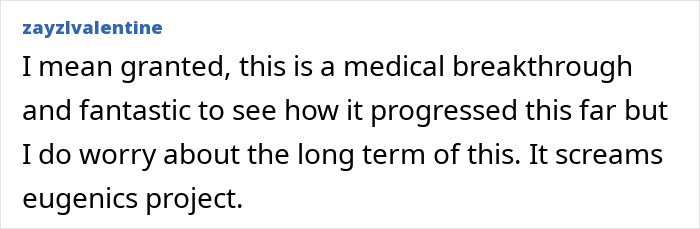
While the science is promising, the idea of eliminating Down syndrome has sparked deep ethical debate, according to the New York Post.
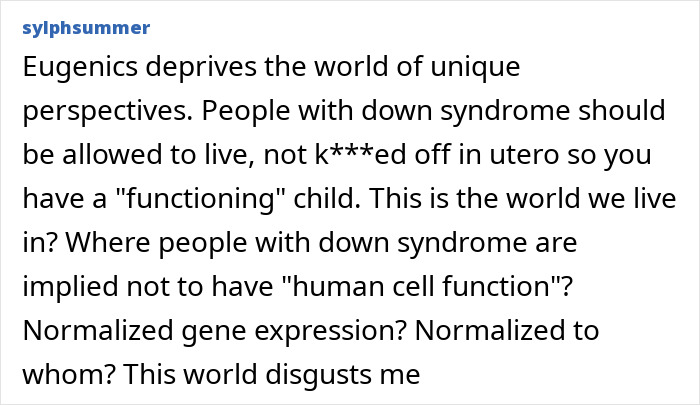
Critics worry that such technologies could devalue the lives of people with the condition.
Image credits: DC Studio/Adobe Stock (Not the actual photo)
Iceland, for example, has practically eradicated the condition, but this was because almost all expectant mothers terminate pregnancies after a positive prenatal Down syndrome screening.
Such practices have drawn both support and criticism.
Image credits: Nexa/Adobe Stock (Not the actual photo)
Ástríður Stefánsdóttir, a medical doctor and a professor in applied ethics at the University of Iceland, described these concerns.
“When we start listening to what people with Down syndrome themselves have to say about this … they find it disturbing … and we hear the same stories from their families,” he said.
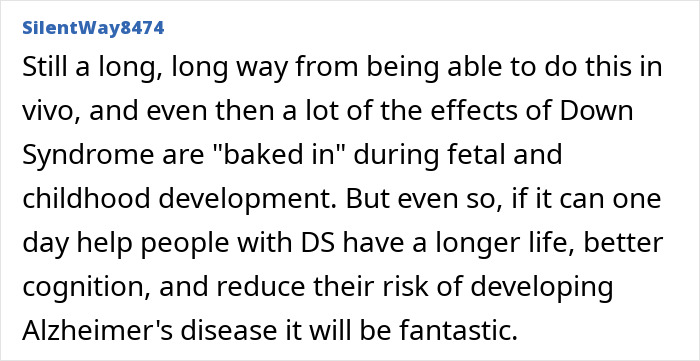
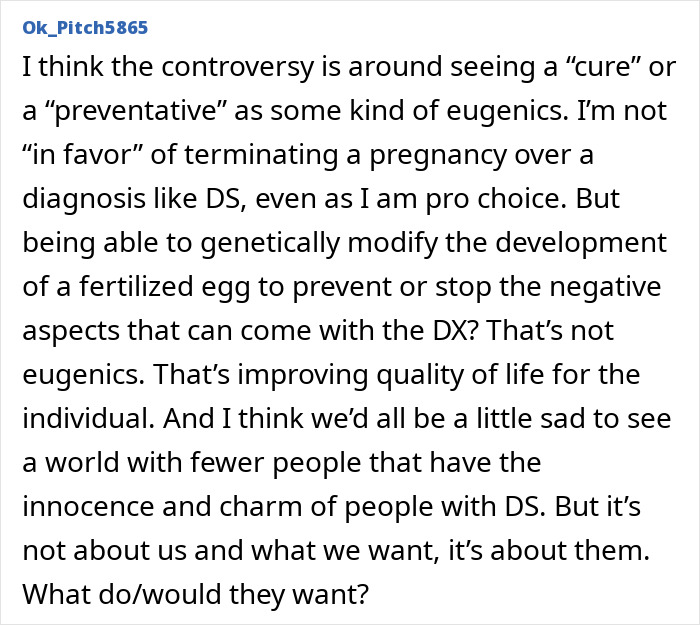
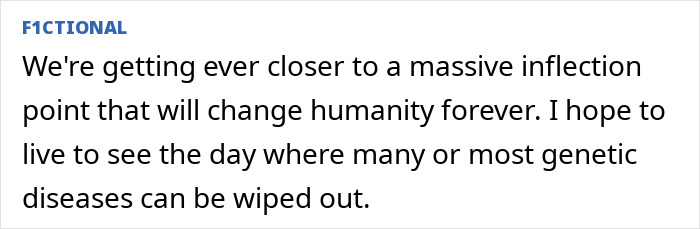
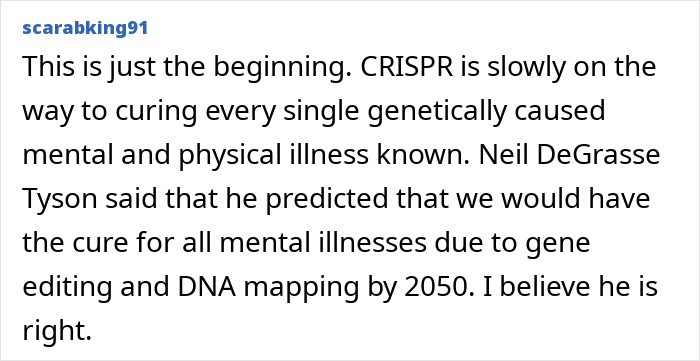
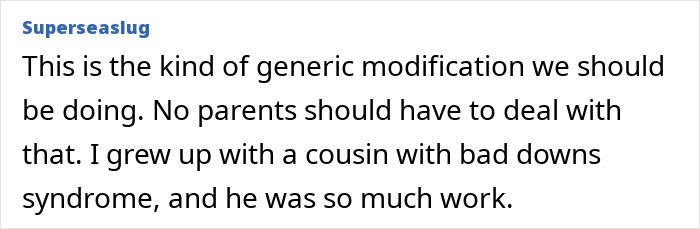
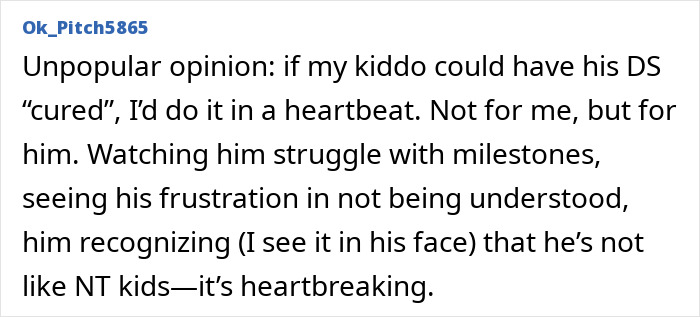
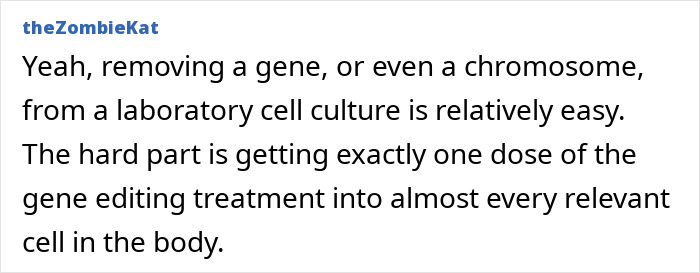
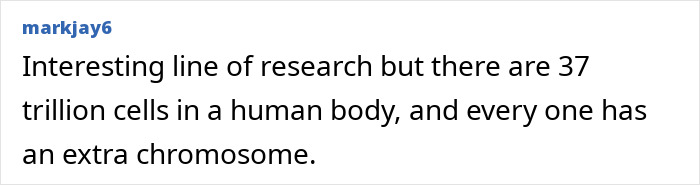
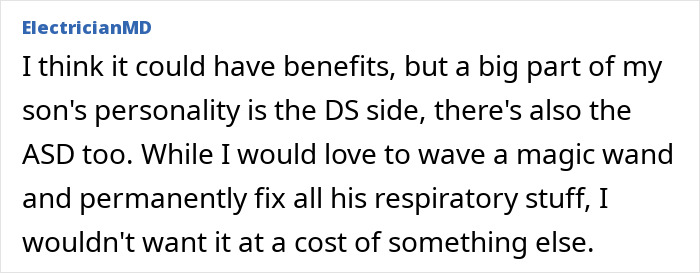
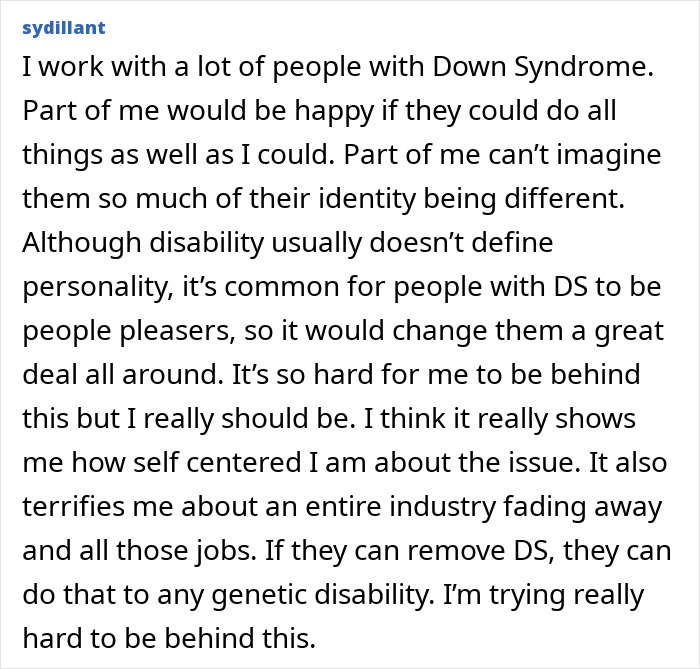
Netizens largely welcomed the developments of Dr. Hashizume and his team’s research






0 Comments